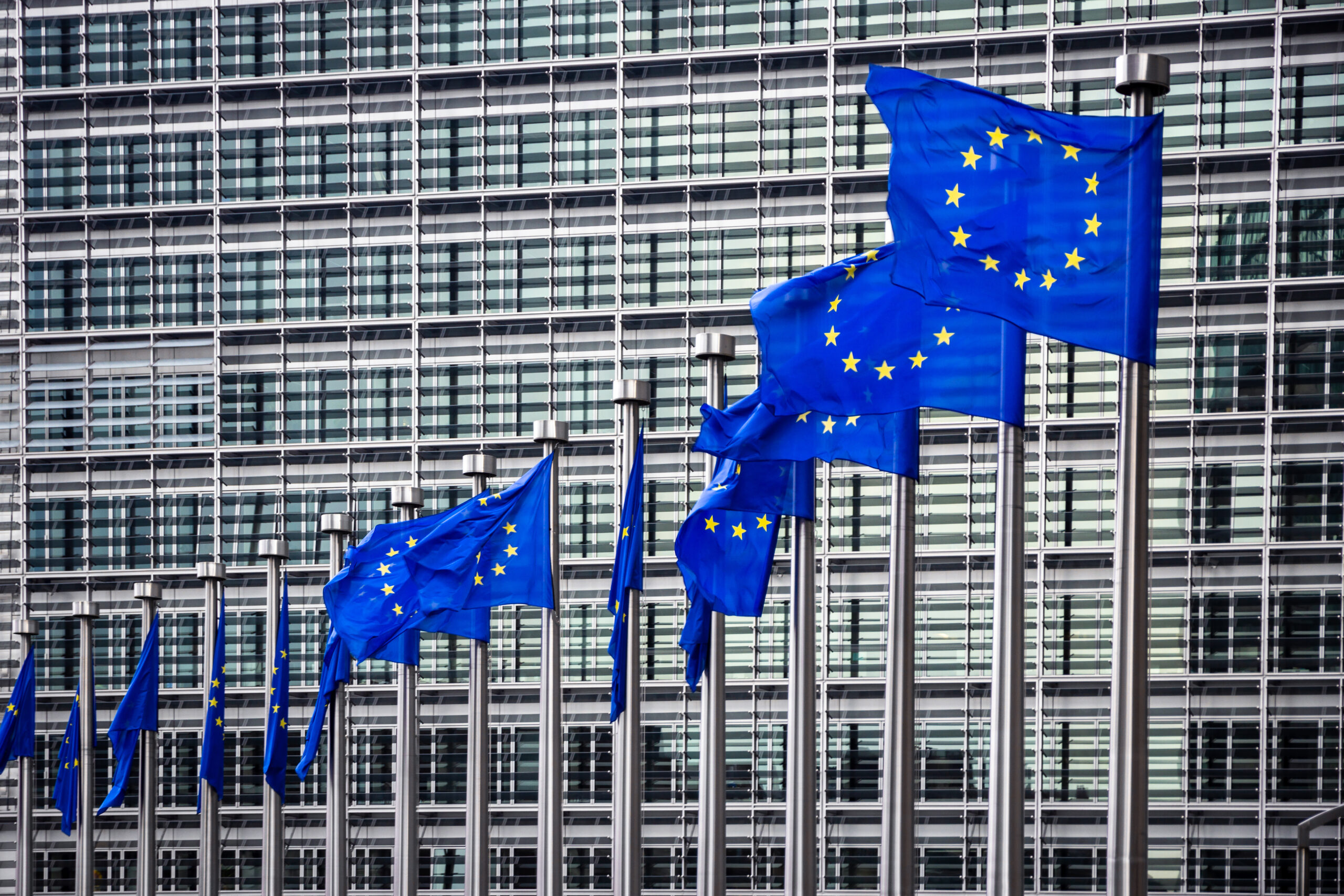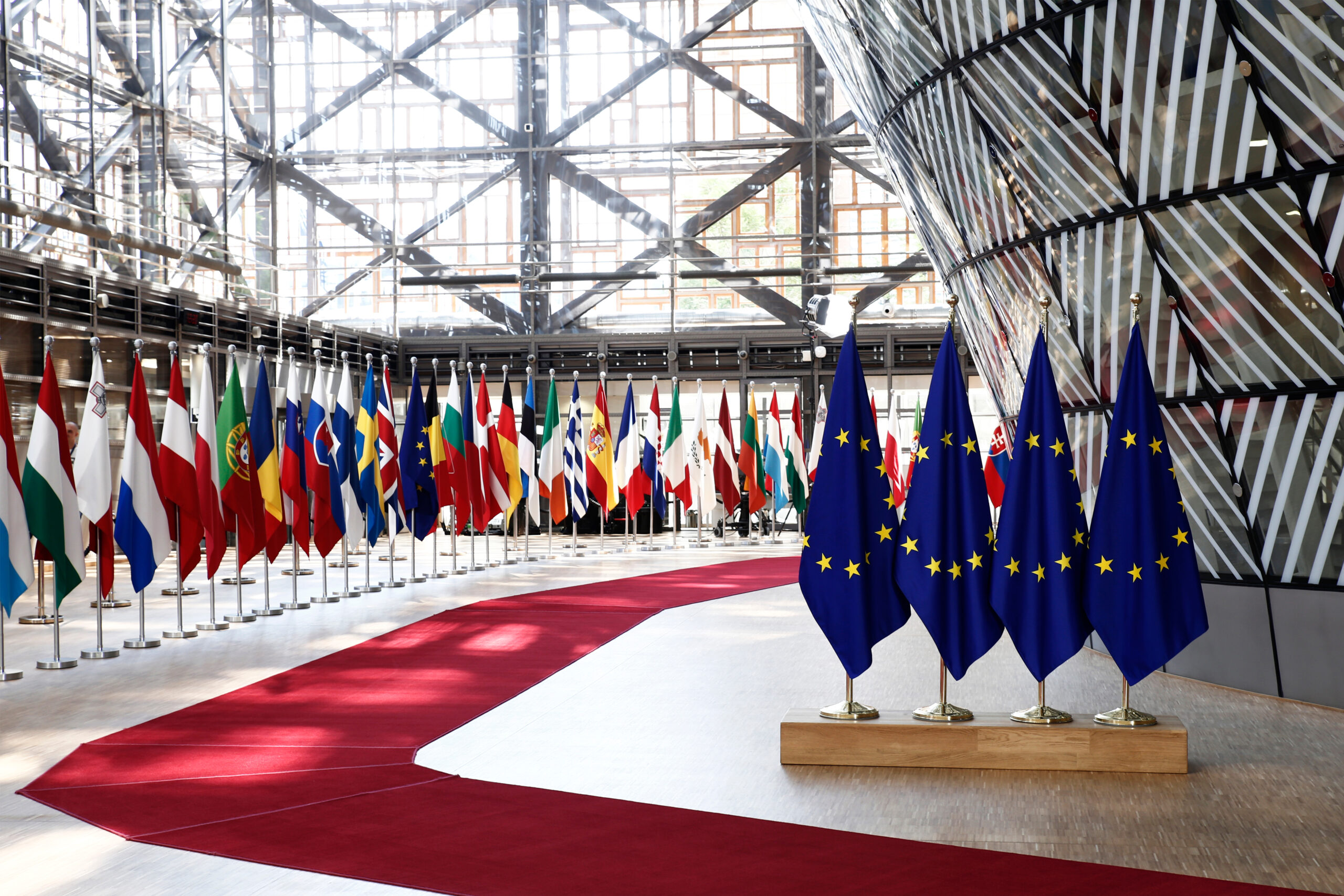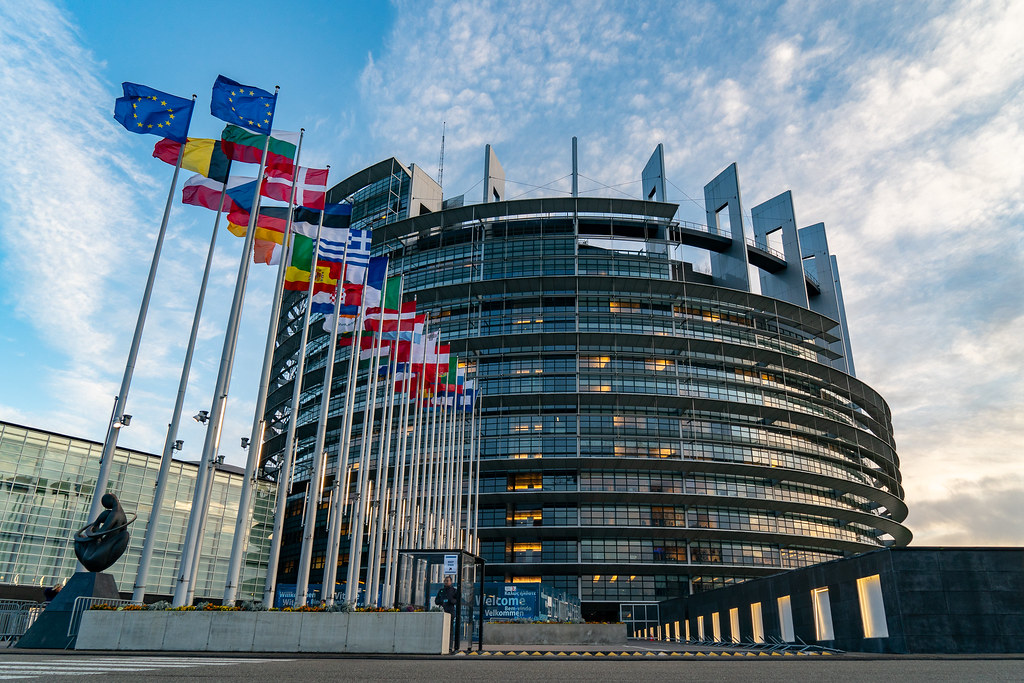
The European Parliament has adopted a resolution calling for a coordinated European approach to addressing what it describes as “Islamist entryism and Muslim Brotherhood networks”, placing the issue more prominently on the European Union’s political agenda.
The resolution was adopted with 381 votes in favour, 167 against and 15 abstentions.
The resolution condemns what it describes as a “strategy of Islamist entryism aimed at weakening democratic institutions across EU Member States” and stresses the Parliament’s opposition to legitimising networks that seek to undermine established civil institutions.
It calls on EU Member States to develop a common European approach to identifying signs of Islamist entryism, including what it describes as the use of “double messaging” in religious and political discourse. It also highlights concerns regarding the activities, influence and financing of networks associated with the Muslim Brotherhood.
The text further calls for greater scrutiny of European funding and stronger safeguards to prevent EU financial resources from reaching individuals or organisations that may pose a threat to democratic institutions and fundamental freedoms.
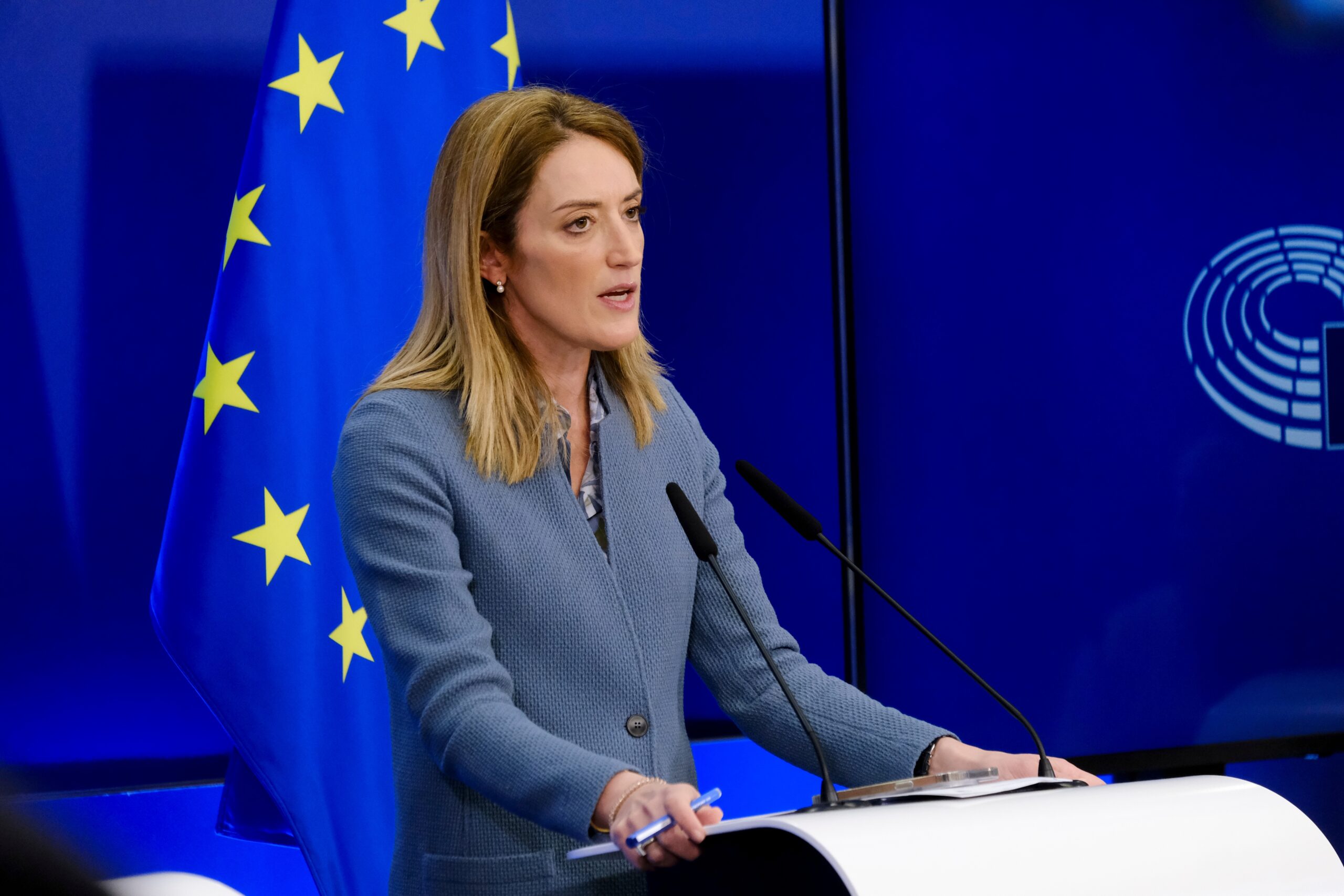
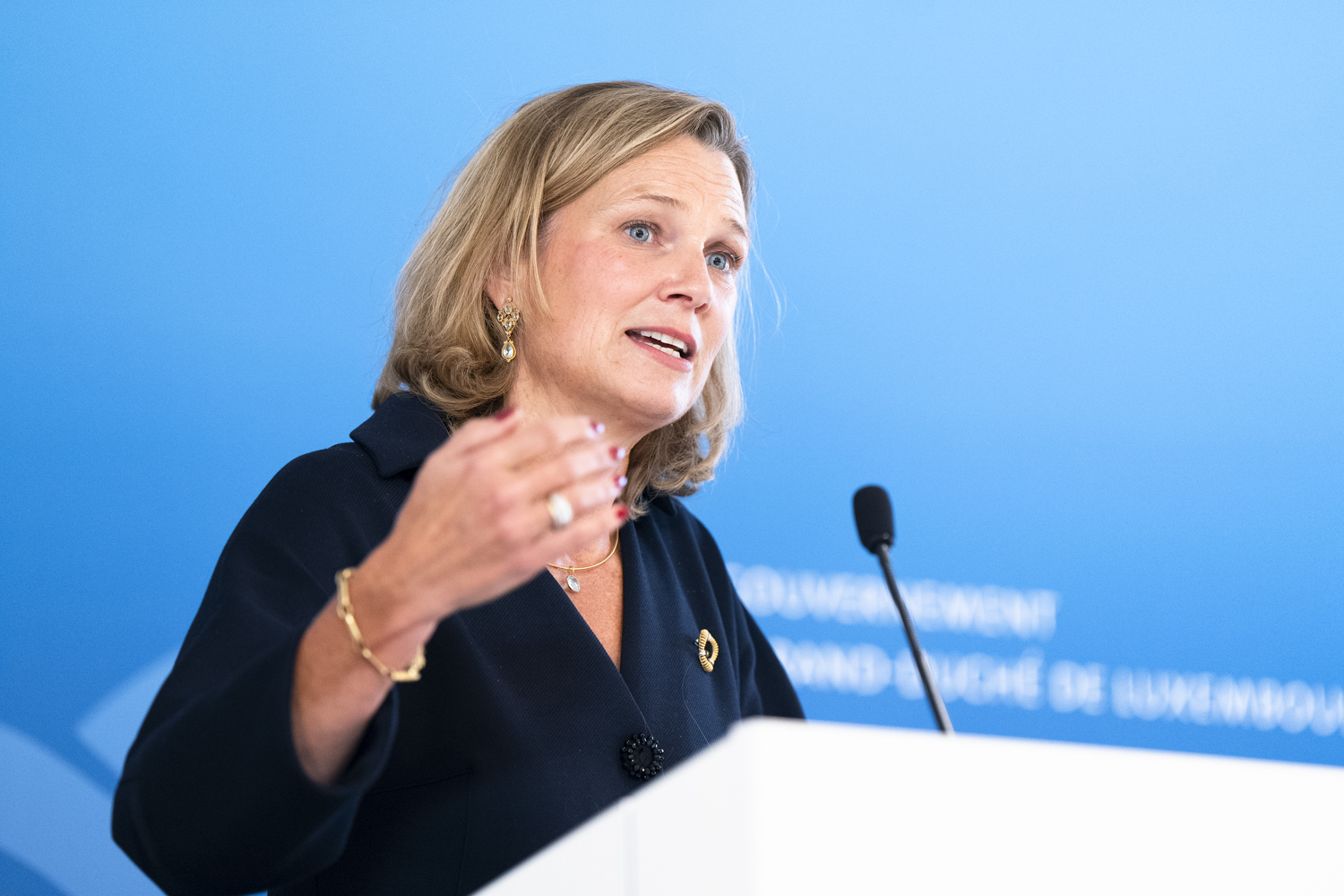
The resolution was submitted by the European People’s Party, with French MEP Céline Imart playing a prominent role in advancing the initiative within the group. In statements ahead of the vote, Imart stressed the need to distinguish between Islam as a faith and political Islam as an ideology, while calling for greater transparency and scrutiny of EU funding.
The adoption comes amid a broader European debate over Islamist networks, political influence, radicalisation and the protection of democratic institutions. The resolution calls for a more coordinated response among Member States, rather than itself creating a new EU terrorist designation.
Any decision to place specific individuals or entities on the EU terrorist list would remain subject to the separate procedures established under EU law.